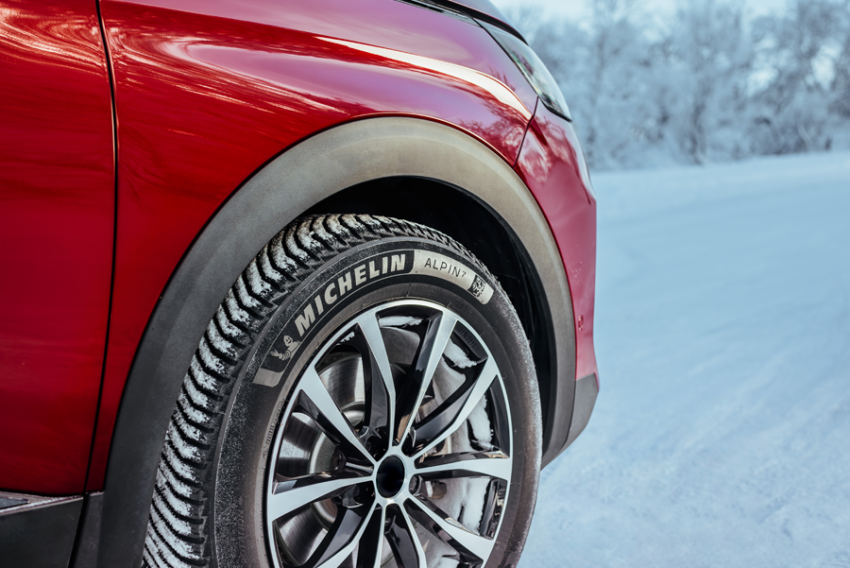
Michelin is enriching its product portfolio with the new Alpin 7 winter tyre. The tyre is the result of extensive development work by the Group's engineers. The new rubber compound, designed for low temperatures, gives the tyre good grip when accelerating, braking and cornering. The main innovations of the new Alpin are the directional tread pattern and the increased siping in the tread pattern for better grip on wet and snowy roads. “The increased number of sipes improves braking grip by 6% and traction on snow,” explains Michelin. “The directional tread pattern helps drivers maintain control of their vehicle even in the most difficult conditions. The new design helps to maintain good performance throughout the life of the tyre, allowing it to be used right up to the tread wear indicator”. Thanks to Michelin's expertise in 3D printing, which can be used to create moulds for complex tread patterns, the Alpin 7 features progressive sipes, i.e. new grooves that appear as the tread wears. According to Michelin, this allows the performance to be maintained throughout the life of the tyre and the tyre to be used up to the legal wear limit of 1.6 mm. The Michelin Alpin 7, which is produced in the Michelin Group's European plants, including the Italian plant in Cuneo, is already available in 62 sizes from 15 to 20 inches and is mainly intended for the European market.
Worn tyres tested to meet new EU regulations
New EU regulations (European Regulation R117-04), which came into force last July, require all newly type-approved tyres to undergo a threshold test to measure the wet grip performance of a worn tyre in a braking test. To perform this test, the new tyre is mechanically worn down to almost the legal tread wear limit (approximately 2mm). To be approved, the measured performance must be above the threshold defined by the regulations. Michelin develops its tyres taking into account not only the performance when new, but also when worn. The new Michelin Alpin 7, while anticipating the entry into force of the standard, meets the European type-approval requirements of the latest update of the R117 regulation by exceeding the thresholds set by the European Union for this test, even when worn.