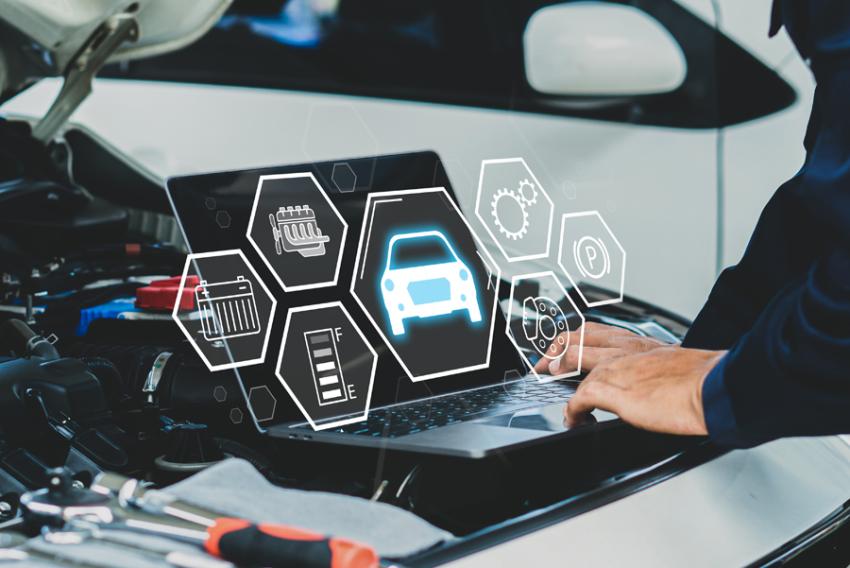
Workshop equipment is increasingly becoming ‘smart tools’ capable of identifying faults in a matter of seconds and suggesting possible solutions. Innovative software, direct connections to databases, virtual assistance and, above all, artificial intelligence make up the car repairers’ new toolbox. We spoke to some of the leading manufacturers of workshop equipment, who told us about the most significant innovations in the sector.
Cemb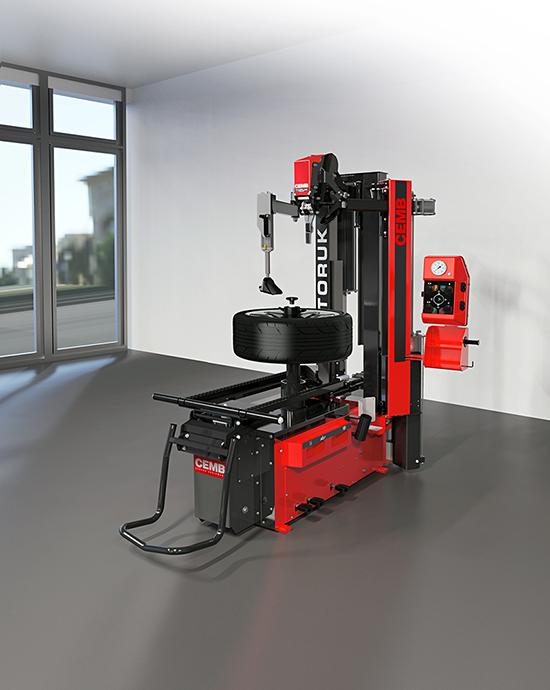 Active in the automotive sector since 1952, Cemb has, over time, developed high-precision wheel balancing and alignment systems that have helped establish the brand as a benchmark for wheel professionals. Today, the Garage Equipment Division develops wheel balancers, wheel alignment machines and tyre changers for cars, motorbikes, lorries and buses. The equipment is designed and manufactured at Cemb’s factories in Italy, ensuring direct control over quality, reliability and technological development. Argos X and Toruk belong to two different product families, but share the same approach: to automate operations that do not require operator intervention, reduce manual steps, protect the wheel and ensure more consistent results. Argos X is a wheel alignment system that brings a fully automatic process to the workshop: there is no need to attach clamps, targets or sensors to the wheels, and measurements are taken without physical contact with the vehicle. Toe-in and camber are detected in less than five seconds. Vehicle positioning is guided on-screen, and the system is designed to eliminate several preliminary operations typical of traditional systems, leaving the operator more time for diagnosis and adjustment. The same approach is found in Toruk, the super-automatic leverless tyre changer developed for professionals who also work on UHP, run-flat and large-diameter tyres. The clamping range of 10 to 30 inches enhances its versatility for cars, SUVs and light commercial vehicles. At the heart of the design is Cemb’s patented Combo Dynamic Tool, which integrates removal and fitting functions into a single system and operates without coming into contact with the rim. This is a particularly important feature for wheels with delicate finishes, where protecting the rim is an integral part of the quality of service. This is complemented by the electric self-centring mechanism and automatic centring: during bead separation, removal and fitting, the tool and rollers are automatically aligned with the wheel. The double roller maintains control of the bead and reduces stress on the tyre, especially during the most demanding operations. The Motoinverter system allows for a progressive speed variation from 0 to 16 revolutions per minute, facilitating smoother and more controlled movements. The multifunction console brings all controls within easy reach and completes a design in which automation and ergonomics work together to reduce operator strain.
Corghi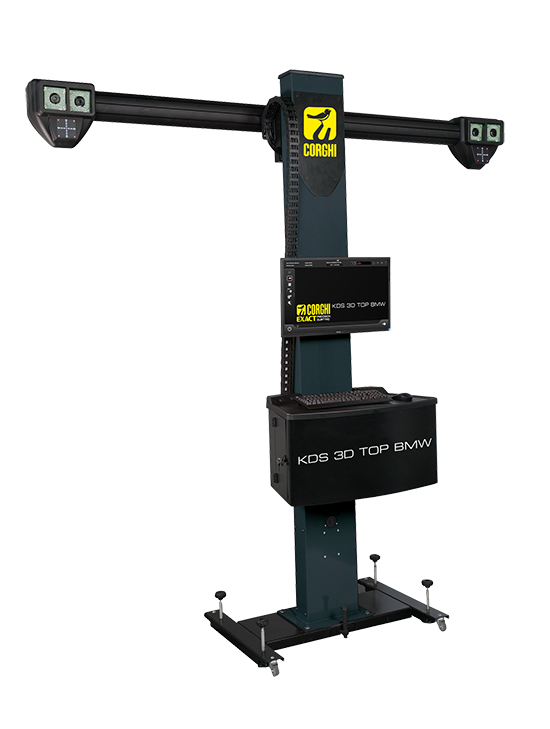 The evolution of modern vehicles demands measuring instruments that are increasingly precise, reliable and perfectly aligned with manufacturers’ specifications. Against this backdrop, Corghi presents the Kds 3D Top BMW, the new BMW-approved wheel alignment system, developed to meet the German manufacturer’s rigorous technical requirements and support professionals working on the latest generations of premium vehicles. Based on passive target technology, the Kds 3D Top BMW utilises four high-resolution digital cameras featuring Hi-Q and Global Shutter technology, combined with low-distortion lenses with anti-reflective coating. This configuration enables accurate measurements, even in challenging environmental conditions, ensuring stable and repeatable results. Automation represents another key added benefit. The Kds 3D Top BMW incorporates an automatic target tracking function, which enables the measuring unit to position itself automatically at the correct height, eliminating manual operations and reducing working time. To assist the operator, there are also visual and audible indicators that guide the various stages of the alignment process, making it quicker and more intuitive. The system is equipped with the new Exact Top BMW software, developed specifically for wheel alignment specialists. The new graphical interface offers a clearer display of parameters, simplified navigation tools and updated calculation algorithms to enhance measurement performance. The package is rounded off by an international database containing technical specifications for multiple makes. Features dedicated to BMW standards include continuous measurement of chassis heights using dedicated mini-targets, measurement of maximum steering angle, and checking of steering wheel tilt via a wireless electronic inclinometer. The package also includes BMW quick-release brackets, high-resolution targets with an integrated anti-glare filter, and specific accessories for the procedures required by the manufacturer. KDS 3D Top BMW is compatible with various workshop configurations, including four-post lifts, scissor lifts, parallelogram lifts and service pits.
Cormach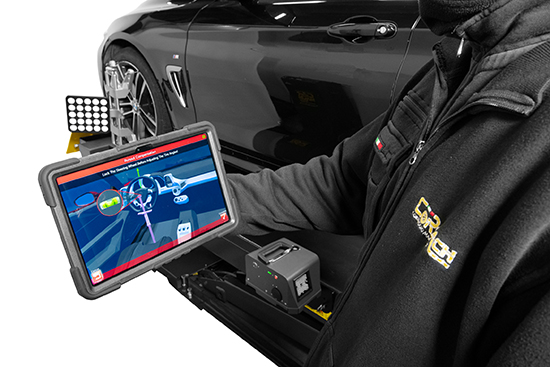 Cormach has presented its vision of the connected workshop through solutions designed to optimise workflows, digitise services and maximise the efficiency of operational spaces. The flagship model in the wheel balancer range is the Touch Mec 2000S-P RLC Plus, an electronic diagnostic tool featuring a 21.5” touchscreen and 3D animations. The wheel balancer performs a comprehensive predictive analysis in a single run: the RLC Plus system uses laser triangulation technology to measure tread depth, whilst also detecting structural deformations in the tyre and rim. At the end of the automated scan, the software indicates whether tyre matching is required – that is, the correct rotation of the tyres based on wear – and sends a report via email. The Touch Mec 2000S-P RLC Plus includes the Nls quick-clamping system, a laser pointer for applying adhesive weights, and offers continuous online updates for remote support. It guarantees immediate diagnosis, high precision and the complete elimination of residual vibrations. In the wheel alignment sector, the main innovation is the Geo 25 alignment system, a portable 3D tool for passenger cars and light commercial vehicles designed to eliminate traditional space constraints. The system eliminates the need for bulky fixed or mobile columns in front of the lift. High-definition sensors are attached directly to the sides of the vehicle or the lift using magnetic brackets, offering maximum flexibility on the floor, in a pit, on scissor lifts or four-post lifts. Measurements are taken using ultra-lightweight anti-reflective targets with simultaneous acquisition at five points. The entire guided procedure is managed directly on an 11-inch tablet (running on Android), with data transmission via 2.4 GHz radio and the option to mirror the screens onto company PCs, TVs and smartphones.
Dino Paoli 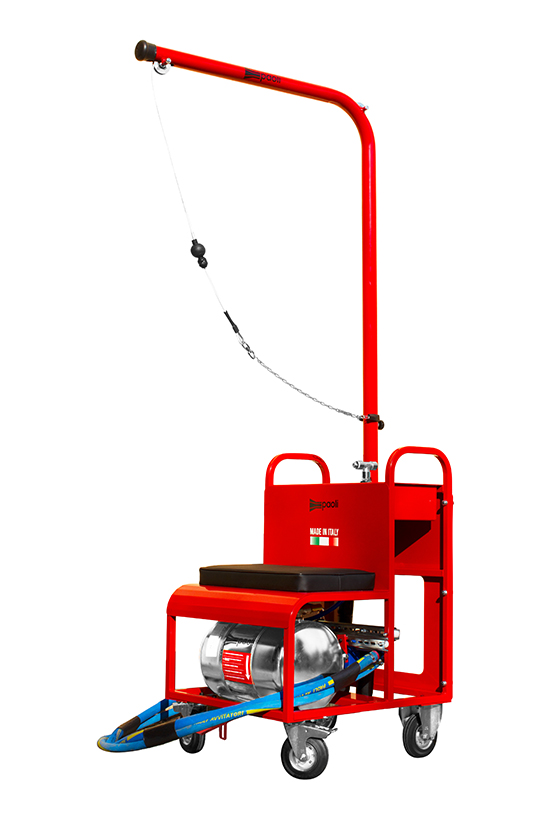 Designed for those working on heavy goods vehicles, the MWS-Suspension range of Mobile Working Stations stems from a simple idea: to allow the operator to work comfortably whilst seated, in an ergonomic position, without having to hold the impact wrench for the entire duration of the job. The weight of the tool is supported by a suspension system integrated into the swivel arm, featuring a pulley balancer and a reinforced carabiner, which relieves the operator of unnecessary strain. The workstation, particularly suitable for changing tyres on heavy goods vehicles, is mounted on wheels and can be easily moved from one part of the workshop to another. Furthermore, in versions fitted with a silencer, the exhaust from the impact wrench is channelled into a silencer mounted on the trolley, featuring a replaceable cartridge filter. This results in a significant reduction in noise pollution and the complete absence of harmful dust and oily micro-mist, which are normally stirred up by the exhaust near the operator. The FRL unit (filter-regulator-lubricator) also ensures continuous routine maintenance of the impact wrench’s pneumatic motor. The range comprises four configurations. ‘Naked’ is the basic version, featuring a wide seat, a balancer, a carabiner, storage compartments beneath and above the seat, and a lever holder. ‘Basic’ adds the FRL unit and the silencer filter. The ‘Complete’ version also incorporates a front air reservoir beneath the seat to prevent pressure drops and loss of system power, a reinforced carabiner and a pulley-type balancer. Finally, the ‘Full Optional’ version completes the specification with a booster pedal fitted with a filter.
Fasep
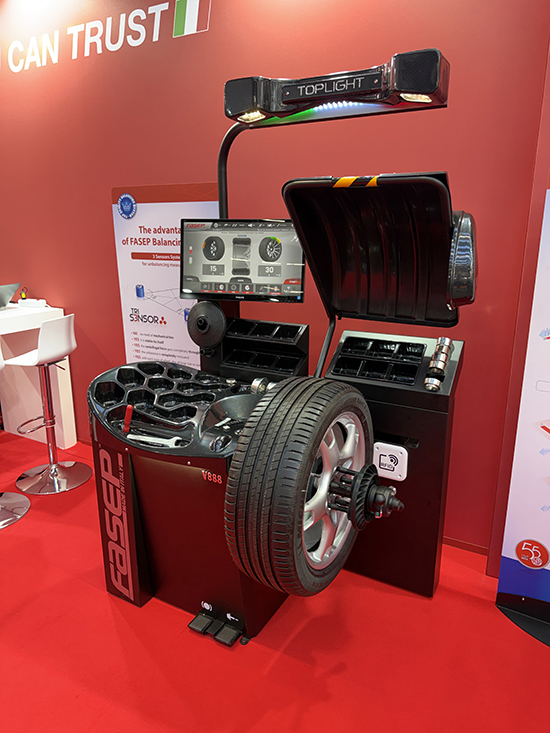 The historic Italian company has revamped its range by introducing the new Linux operating system for wheel balancers, the innovative Polar Laser, the V888 model and the WinLogic X software platform for wheel alignment. As for the operating system, the new Fasep wheel balancers now incorporate Linux-based software. The new architecture ensures immediate responsiveness to commands, operational stability and a modern, intuitive graphical interface, designed to optimise workshop turnaround times. Polar laser technology surpasses traditional positioning systems thanks to an innovative spot laser system for applying adhesive weights. The polar laser eliminates the traditional removable laser bar from the machine’s base, offering a cleaner, more precise and ergonomic solution free from mechanical clutter. As for automotive equipment, Fasep has unveiled the V888 wheel balancer. The new model retains the robustness and reliability of its predecessor, whilst enhancing performance thanks to the new software and hardware features introduced. Substantial innovations have also been made in the wheel alignment segment with the WinLogic X software. Redesigned from scratch, WinLogic X introduces a completely new and modern graphical interface, combined with numerous additional features designed to guide the operator through even faster, more detailed and more effective diagnostics and adjustments.
Giuliano Automotive 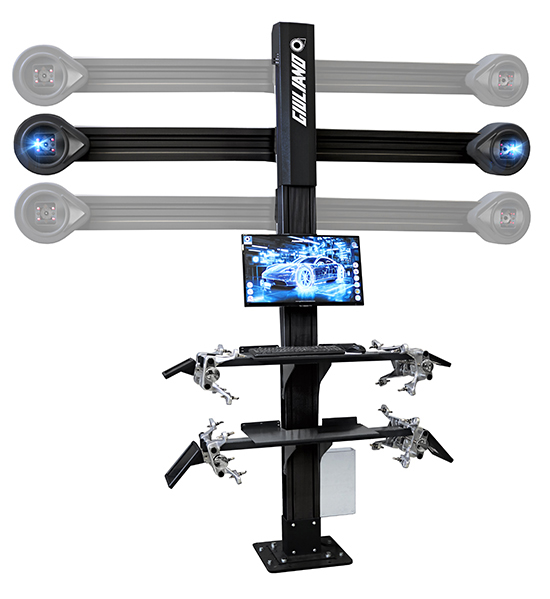 After 50 years of innovation in automotive equipment, Giuliano is introducing a new range of products dedicated to wheel alignment. The new Xliner A100 and Xliner A200 TOP have been developed for professional workshops requiring fast, accurate and intuitive wheel alignment operations. Based on advanced dual-camera 3D measurement technology, the Xliner range offers real-time processing, high-resolution lightweight targets and a workflow designed to simplify daily alignment operations. The Xliner A200 TOP, in particular, features cameras with automatic target tracking synchronised with the lifting movement, enabling efficient measurements and adjustments at any working height. This model also allows wheel alignment data to be stored, managed and shared via the workshop’s PC. Another new development concerns wheel balancers. The P60 Evo is a 3D diagnostic electronic wheel balancer designed to meet the needs of industry professionals with high workloads. Equipped with a 22-inch HD touchscreen monitor, a high-brightness graphical interface and professional diagnostic software, the P60 Evo guides the operator step by step, making every stage of the balancing process quick, intuitive and precise. Advanced wheel diagnostics are based on a combination of external sonar and an internal laser, which enables the detection of misalignment between the rim and the tyre, significantly improving the quality of the balancing. The RRM function optimises the ‘match-mounting’ procedure – carried out using a tyre changer – which is essential for workshops working on high-end or luxury vehicles.
Hpa-Faip 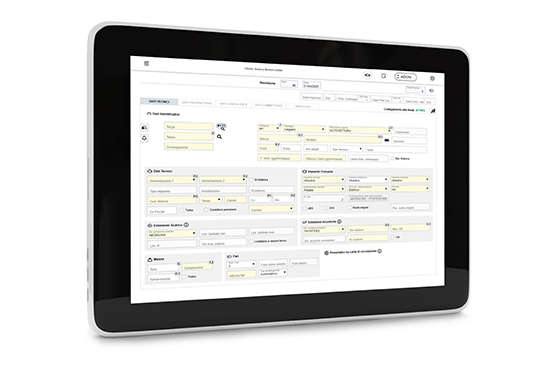 Revok is the new Hpa-Faip software designed for vehicle inspection centres. Developed on the basis of over ten years’ experience, Revok centralises all the daily activities of a vehicle inspection centre within a single platform: management of customer and vehicle records, documentation, accounts, payments and appointment scheduling. The aim is to reduce administrative complexity, optimise time management and enable staff to focus more on customer service. One of the solution’s key strengths is its integrated planning system, which allows bookings to be organised in a simple and orderly manner, avoiding overlaps and improving productivity. To support customer relations, Revok also enables reminders to be sent via email, text message and reminder letters, helping centres to improve appointment punctuality and maintain constant contact with motorists. Considerable attention has also been paid to data analysis through statistical and business intelligence functions. The software provides an up-to-date overview of business performance, enabling the monitoring of customers, vehicles, financial data and workflows. The information gathered thus becomes a practical tool to support more informed, growth-oriented decisions. Thanks to the dedicated WebApp, Revok allows data to be captured directly from mobile devices, simplifying check-in procedures. The system also integrates number plate query and recognition functions, helping to reduce processing times and data entry errors. Available in both on-premises and cloud-based modes, Revok adapts to the varying organisational needs of vehicle inspection centres and can evolve alongside the business. The software is, in fact, designed to integrate with Hpa-Faip’s Quicknet workshop management system, creating a comprehensive ecosystem for businesses wishing to unify the management of vehicle inspections and workshop activities.
Mahle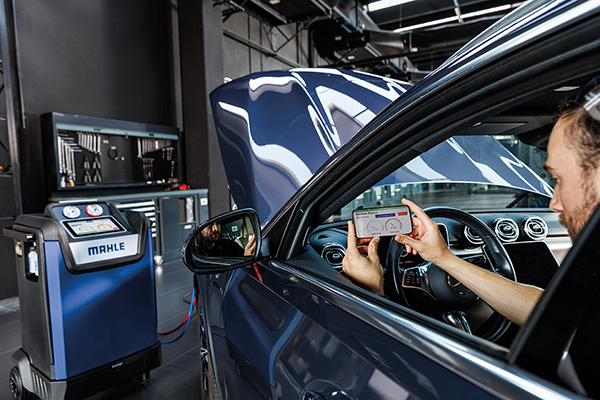 From the new generation of A/C stations to mobile servicing, right through to digital services and new business opportunities. Mahle presents an integrated vision of the workshop of the future. Among the company’s key innovations, the new ArcticPro family stands out, having been completely redesigned to meet the needs of modern workshops. The range comprises four versions – Tech, Advanced, Expert and Ultimate – developed to suit different workloads and levels of specialisation. All models share a completely new platform that focuses on automation, operational simplicity and connectivity. The systems support the refrigerants R134a, R1234yf and the new blends R444A and R456A, thereby ensuring greater flexibility in response to market developments. The new touchscreens, simplified graphical interface, Wi-Fi software updates and integration with the Mahle Connect app help to speed up service processes and reduce the risk of operational errors. Of particular interest is the introduction of the intelligent assistant Mia (Mahle Intelligent Assistant), which is able to provide technical support, vehicle information and operational guidance directly whilst maintenance work is being carried out. Sustainability is also making its mark in the world of filtration thanks to the new CareMetix Natural cabin air filter. For the first time, Mahle is using sheep’s wool as a component of the filter material. The filter is designed to trap particles and pollutants present in the air, helping to reduce volatile organic compounds (VOCs) responsible for odours and contamination in the passenger compartment. With the new Mahle Climate Expert programme, the company is offering an approach that goes beyond products and equipment. The project was created to help independent workshops position themselves as specialists in the management of air-conditioning and thermal management systems – an area set to become increasingly important with the evolution of electrified vehicles. Rounding off the package is the new Mahle Workshop Portal. The platform brings together technical documentation, webinars, training, industry updates, marketing materials and support services in a single environment accessible via smartphone, tablet and PC. One of its key features is the integrated ticketing system, which enables automotive repair professionals to quickly get in touch with Mahle experts for support with diagnostics and repairs. Here too, artificial intelligence comes into play via Mia, the digital assistant developed to facilitate information searches and quickly identify products, procedures and technical content.
Mondolfo Ferro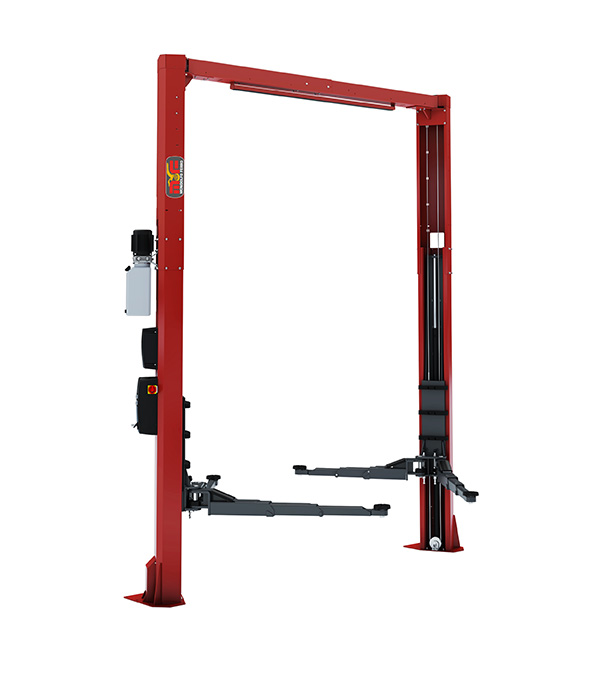 With the new Titan P 240 Evo, Mondolfo Ferro introduces a solution designed to meet the needs of independent workshops and professional service networks. With a lifting capacity of 4,000 kg, the Titan P 240 Evo is a two-post electromechanical lift developed to offer a reliable and precise user experience. The structure is characterised by its bent columns with internal reinforcement, designed to ensure strength and stability even under the most demanding working conditions. One of the system’s key strengths is its asymmetrical installation, which ensures a wider door opening angle and improves access to the vehicle during servicing. The arms have been designed to cover a wide range of applications, from short-wheelbase cars to light commercial vehicles, offering maximum operational versatility. Furthermore, the ability to park the arms parallel at the rear facilitates vehicle positioning and speeds up intake procedures. The lifting system is based on two high-efficiency electric motors, one for each column, combined with a mechanical lifting mechanism using worm screws, which ensures smooth and precise movements. The electronic synchronisation of the carriages helps to ensure accuracy and reliability over time, whilst the programmable maximum lift height allows operation to be adapted to the workshop’s requirements. Particular attention has been paid to safety. The Titan P 240 Evo incorporates a 360-degree toothed arm rotation locking system that ensures stability during operations. It also features an automatic stop system in the event of obstacles during descent, a durable nylon safety lead screw designed for a long service life, and a CE-compliant safety stop prior to the final descent – a solution that eliminates the need for the traditional foot guard bar. The equipment is rounded off by rubber door-protection guards fitted to the columns and arms, designed to protect the vehicle during operations. Mondolfo Ferro has also developed a dedicated range of accessories for electric and ultra-low-floor vehicles, confirming its focus on the evolution of the vehicle fleet and the future needs of workshops. Finally, the option of a dual control unit (one on each column) further enhances operational flexibility and convenience.
Sice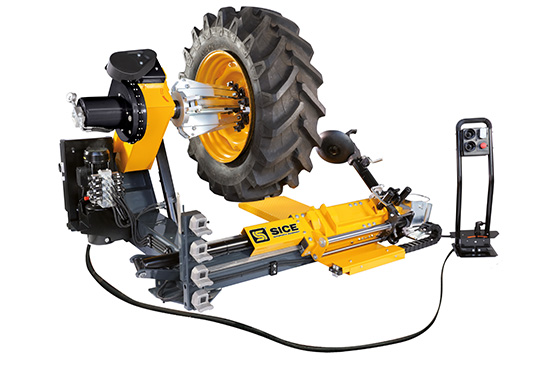 Tyre maintenance for lorries, buses, agricultural vehicles and earth-moving machinery requires equipment capable of guaranteeing robustness, precision and operational continuity. With the new S 54A Top, Sice is renewing its offering for the lorry sector by introducing a universal semi-automatic electro-hydraulic tyre changer designed to tackle the most demanding applications with even greater efficiency and ease of use. Designed to handle wheels up to 56 inches in diameter, with or without inner tubes, the S 54A Top combines the brand’s traditional robust build quality with significant technical upgrades. Among the most interesting new features is the Eco Mode function, which activates automatic standby during periods of inactivity. This solution reduces energy consumption and helps to preserve the machine’s electrical and hydraulic components over time. The evolution of the design also involves optimised working geometry, enabling the handling of wheels up to 2,400 mm in diameter and 1,280 mm in width. The loading height, reduced to just 300 mm above the ground, further simplifies operations, eliminating the need for manual handling of particularly heavy rims and improving ergonomics for the operator. Of particular significance is the new self-centring four-jaw chuck, driven by a self-braking electric motor that ensures greater control during the most delicate stages of mounting and demounting. The two-speed bidirectional rotation allows for precise operation on different types of wheels, whilst the high-strength jaws with dedicated inserts enable work to be carried out even on the most delicate rims without risk of damage. To further boost productivity, the S 54A Top incorporates a new tool assembly with a hydraulic cylinder capable of generating a tyre-removal force of 27,000 N. The dual automatic workstations and the automated movement of the tool-holding arm help to reduce cycle times and minimise the operator’s movements, improving both the speed and safety of operations. Particular attention has also been paid to the user experience. The new control console offers intuitive controls and features a button for the immediate stoppage of all movements. An optional radio kit is also available, which can be retrofitted without any modifications to the machine, for even more practical management of operations.
Tecnomotor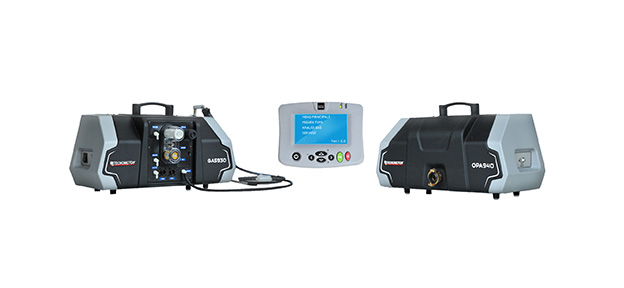 With the 900 Series, Tecnomotor is renewing its range of emission control equipment, offering a comprehensive line-up of instruments designed to meet the needs of garages and vehicle inspection centres. The new range has been developed with the aim of ensuring accurate and reliable measurements on petrol and diesel engines, combining precision, ease of use and operational flexibility. Among the range’s flagship products is the new Gas 930 exhaust gas analyser, developed to ensure precise and repeatable results both at vehicle inspection centres and in modern multi-brand garages. Its advanced metrological features and relevant type approvals enable tests to be carried out in compliance with current regulations, helping to make testing procedures faster and more efficient. The range is completed by the Opa 940 opacimeter, designed for analysing diesel engine emissions. One of the main strengths of the 900 Series is the system’s modularity. The instruments can be operated via the Gaslook handheld terminal, which allows test results to be viewed and printed immediately, or via the Qts software, developed to centralise the management of measurements and simplify data archiving. This solution enables the system to be configured according to the workshop’s specific operational requirements, thereby improving work organisation. The Qts software also represents significant added value, enabling integrated management of data from the various instruments in the range and providing a clear and immediate overview of the parameters measured. The 900 Series also includes the Rpm200 and Rpm210 rev counters, designed for cars and motorbikes respectively, as well as the practical Gasmove trolley for moving the equipment. A comprehensive range that confirms Tecnomotor’s commitment to developing professional solutions capable of combining accuracy, ergonomics and technological innovation.
Teco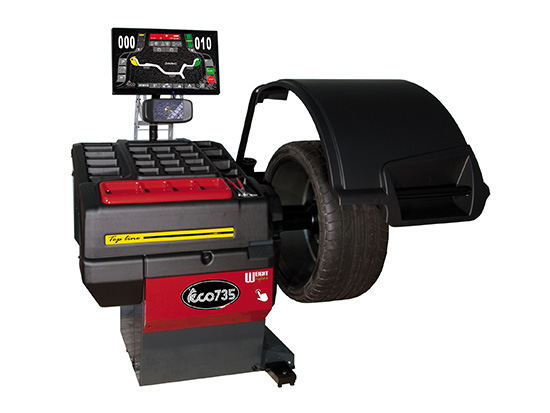 Teco presents the Teco 735 Touch, an advanced electronic wheel balancer designed to meet the needs of professionals working on the wheels of cars, commercial vehicles and motorbikes. A distinctive feature of the wheel balancer is its large 22-inch touchscreen monitor, which, through an intuitive graphical interface, facilitates programme selection and guides the operator through the various stages of the balancing process. The smart digital caliper automatically measures the rim’s diameter and offset and, thanks to the Auto-Selecting Pro function, automatically activates the balancing programme, reducing manual operations and speeding up the work cycle. This focus on productivity is also evident in the functions dedicated to applying counterweights. The dot-shaped laser pointer allows adhesive weights to be positioned quickly at the 6 o’clock position, whilst the RPA system automatically moves the wheel into the correct balancing position once the spin cycle is complete. The integrated LED illuminator also facilitates rim cleaning and the application of counterweights. Among the most interesting features is Weight Right+, developed to optimise counterweight consumption and reduce processing times. The Teco 735 Touch is also compatible with the Nexion WeNext digital platform and features USB and LAN connections for software updates. A sonar sensor for automatic measurement of wheel width and the Sonar Run Out system with Best Fit function – designed to diagnose radial eccentricity and optimise wheel positioning on the vehicle – are available on request.
Texa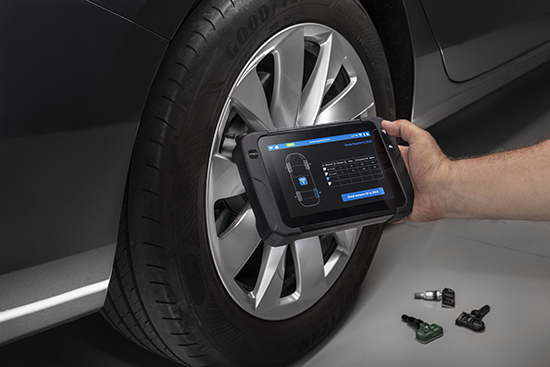 Vision Check is a product range that offers a practical, simple and fast ADAS calibration and wheel alignment verification experience. Regularly checking wheel alignment and correctly calibrating sensors and radar ensures vehicles remain efficient and safe, both for their drivers and for other road users. Vision Check reflects Texa’s ongoing commitment to developing advanced technologies, which result in solutions capable of meeting the growing demands for efficiency and precision in modern workshops. The range is divided into three product lines, each designed to meet the different operational needs of repair professionals: Vision Check Start, Vision Check Light and Vision Check Plus. As regards tyre management and TPMS diagnostics, Texa offers the TPS 3 tyre service unit. With over 30 features and functions, the tool supports the operator at every stage of the job, from sensor programming to documenting the work carried out. The built-in camera allows any vehicle faults to be documented, with images attached to a comprehensive TPMS report to be sent to the customer via email. Designed specifically for the automotive sector, the device features an 8-inch LCD display, through which both OEM and aftermarket TPMS sensors can be programmed and coded. Integration with the IDC6 further expands operational capabilities, enabling VIN code scanning, the unlocking of Secure Gateways (SGWs), and the reading and clearing of DTCs relating to the TPMS system. To round off the package, the tool includes detailed guides and training videos, as well as a library of images of TPMS sensors and service kits, designed to ensure quick and easy reference even whilst working in the workshop.
Vamag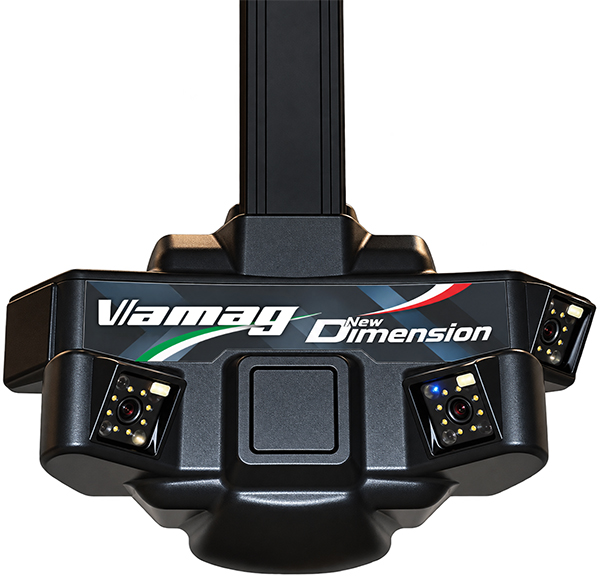 With New Dimension, Vamag has created a platform capable of adapting to the growing demands of the automotive market and industry professionals, thanks to continuous updates and the introduction of new features. This demonstrates how the product was designed, right from the start, with an eye towards the future evolution of the automotive sector. Indeed, significant innovations have emerged in the automotive sector, such as autonomous driving systems and advanced safety features, which have led to a significant evolution in steering systems: first with the introduction of electric power steering and subsequently with active rear-wheel steering. This evolution has created a need for manufacturers and industry professionals to measure angles that were previously unmeasurable. Among these measurements, one of the most important is the rear toe-in, which enables the operator to understand how the vehicle will behave under specific conditions, without necessarily having to resort to empirical road tests. The new rear toe-in measurement function is now officially available on New Dimension, and all operators using the system can access this important feature via a simple online update.