The number of electric cars on the roads is growing across Europe, reaching nearly 25% of total sales in the first eight months of 2025 when plug-in hybrid (PHEV) vehicles are added to fully electric (BEV) vehicles, with BEVs alone accounting for more than 15% of the total. These figures are impressive, even if still below the targets set by advocates of the transition. Even in our country, among the most resistant to the shift toward electric power, there has been a 28.9% increase in sales during the same period (sources: Acea and Euronews).
Given these numbers, it is clear that electric vehicles (PHEV+BEV) are becoming a significant part of the market, even if the slower than expected growth rate means the target of a 55% reduction in CO2 emissions by 2030 is unlikely to be achieved without change. Among the reasons making it difficult for car owners to opt for electric solutions, concerns about vehicle health—especially the battery, which is its core—play an important role. There is a fear that a used electric car will lose more value over time compared to combustion engine vehicles.
In light of this steady, yet still insufficient, growth of electric vehicles on the roads, expanding the scope of inspection activities to include a rigorous, standardised, and certified check of key road safety elements could be the right solution to reduce the number of electric vehicles with critical issues in circulation. Unfortunately, the current regime for periodic vehicle inspections completely ignores the specific inspection requirements of electric vehicles. For example, a battery after an accident may appear intact but could have internal damage leading to failure or, worse, self-ignition. Such elements should instead be checked to ensure road safety, and to reassure those buying a used electric car that key vehicle-specific elements are indeed safe thanks to rigorous and standardised tests.
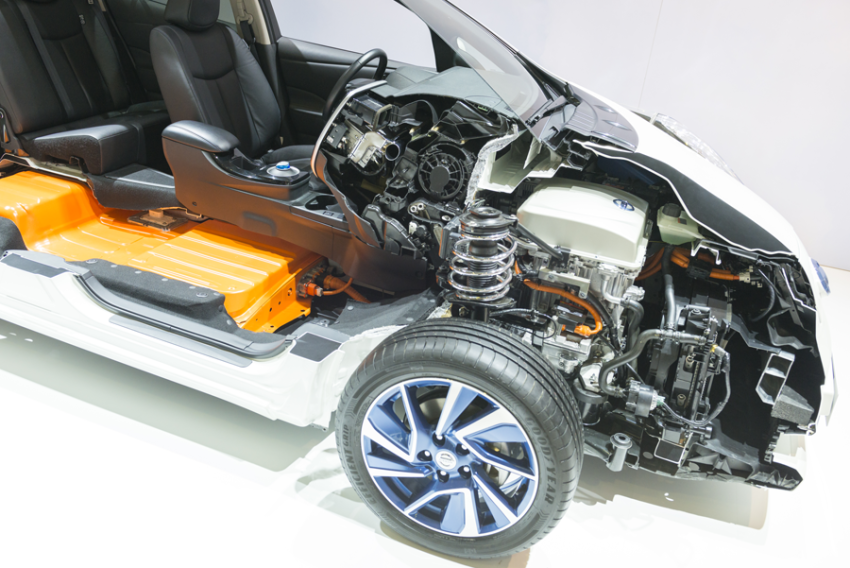
It should be noted that the European Commission is considering introducing inspections for electric vehicles, in its usual fashion: by amending the Directives governing inspection activities, within the notorious Roadworthiness Package. This initiative, led by the Commissioner for Sustainable Transport and Tourism, Apostolos Tzitzikostas, perhaps better known for the controversial proposal to require annual inspections for vehicles over ten years old, also introduces new measures regarding electric vehicle inspections. Specifically, a series of visual checks would be introduced to verify the integrity of the battery and wiring, measurement of key elements such as equipotential bonding and earth continuity, and assessment of the anti-start system that prevents the vehicle from starting while the charging cable is connected. On paper, these are excellent developments, but in practice, they contain numerous challenges, especially if minimum requirements and specific testing methods are not defined.
One of the biggest uncertainties is related to a well-known issue in the sector: the difficulty for independent operators to access vehicle data. Electric vehicles generate data that are extremely useful for inspections, perhaps even more so than combustion vehicles. Fortunately, the proposal acknowledges the importance of this point by requiring car manufacturers to share information “relevant for inspections.” However, without introducing a standard protocol in the way these data are produced, stored, and communicated, developers of inspection tools will face significant technical challenges, which will negatively impact the operation of inspection centres. If the now ill-famous limited data accessibility for repair activities has proved how each European manufacturer has chosen a different sharing method—making the development of independent solutions extremely difficult and thus effectively distorting competition—we can only imagine the headaches that will be caused by non-European manufacturers, who currently have a small but growing share of the electric vehicle market, if they are not required to comply with a data-sharing standard. On this issue, there is already broad consensus among numerous national and European stakeholders, including the national association of garage equipment manufacturers, Aica, and its European counterpart, Egea. We can therefore hope that the necessary changes will be introduced into the final text by political decision-makers, namely the European Parliament and the Council of Ministers of the European Union. But it is not all in Europe’s hands; once the Directive is approved, it will then be up to national authorities to adopt it and implement the changes in inspection centres across the country.
Another source of uncertainty and technical problems is the fact that the Directive in question only covers periodic inspections, i.e., vehicles already circulating on the road, and not the approval procedures for vehicles before they are placed on the market.
In the case of electric vehicles, there is a real possibility that a significant misalignment will remain between vehicle construction requirements and the needs of operators carrying out periodic inspections. In a recommendation by Cita, the worldwide organisation of associations and institutions involved in inspections, a series of key elements are suggested for approving the introduction of a vehicle to the market, which, if included in current regulations, would facilitate the task of those who must later verify, after years of driving, whether an electric vehicle is still safe for road use.
Among these points are, for example: the removal of obstructions that prevent visual inspection of certain key areas; providing a way to activate the AVAS (Approaching Vehicle Alert System) with the vehicle stationary to check its operation without driving; and standardising the placement of access points for measuring equipotential bonding and battery insulation resistance, thus allowing these checks to be carried out without dismantling parts of the vehicle.
Unfortunately, these issues arising from vehicle construction require further amendments to other European Directives and Regulations, as well as changes to various national laws. It is therefore easy to imagine that the problem of how to effectively check the health of an electric vehicle will continue to depend on the choices of each vehicle manufacturer for some time to come. In a future—indeed, now a present—with more and more electric vehicles on our roads, ignoring these critical issues is pure short-sightedness. Various solutions are available, and, for once, politics could think ahead of the problem, instead of waiting until the damage becomes unsustainable.