Electric vehicles - new maintenance and repair equipment
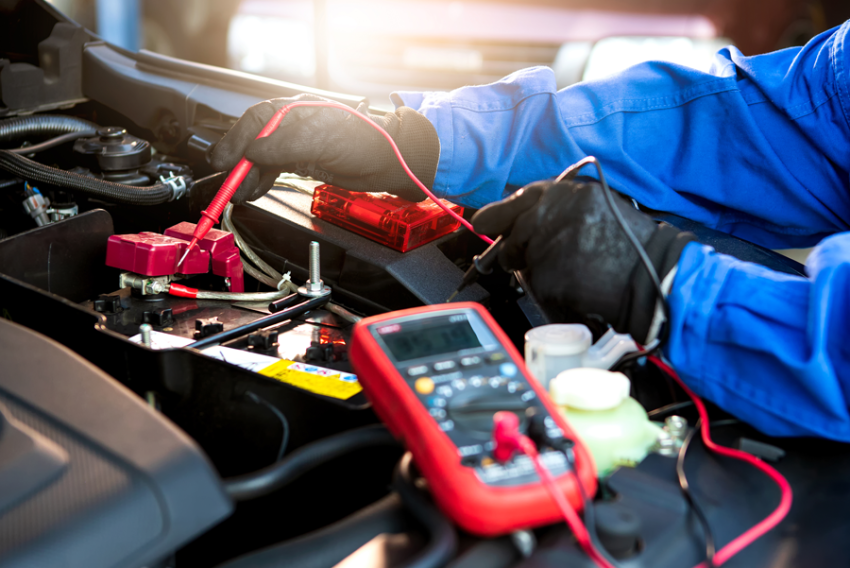
The world of garage equipment is moving toward products designed specifically for electric and hybrid vehicles. This came out clearly during the latest Automechanika following talks with top companies; confirming this, leading trade associations such as EGEA and CITA have also started activities dedicated to electric vehicles. In fact, while electric motors no longer create problems with harmful emissions, they do introduce significant changes in the structure of the vehicle and, consequently, in their repair and maintenance procedures, hence the need for specific tools and equipment, as well as new and different skills and qualifications. EGEA, the European Association of Garage Equipment Manufacturers created a working group on electric vehicles that has identified key areas in which to work. First and foremost are batteries and charging systems: both require specific diagnostic tools with dedicated procedures to identify possible malfunction. However, structural changes resulting from new electric components are such that even the simple lifting of the vehicle, for example, requires suitable equipment; the platform of on EVs or hybrid vehicles have different structures and functions from traditional ICE vehicle so tools and lifting methods will differ accordingly. Furthermore, the fact of operating on components with high electric charge requires a whole series of new safety devices and procedures, and here there is a need to rethink training courses and qualification as one will have to become something like an electrical engineer as well as a mechatronic. The safety aspect then takes on a new meaning: electric and hybrid vehicle have, like conventional vehicle, similar if not greater problems. EVs come with what we may define as a “safety triangle," which includes steering, brakes and suspension. In fact, these components, or set of components, are generally responsible for safety, and with the increasing introduction of driver assistance systems, periodic inspections will have to be updated accordingly. In addition to this, electric vehicles have introduced other possible new safety issues, related precisely to the electric system, which cannot be ignored during the inspection. This is what CITA, the international motor vehicle inspection committee, proposes. In fact, if one excludes micro-mobility (scooters for example), electrical voltages well above the non-hazardous threshold are commonly found in BEVs (Battery Electric Vehicle) and HEVs (Hybrid Electric Vehicle). An inspection aimed at evaluating the electrical safety of such vehicles is considered essential: CITA recommends the adoption of instrumental checks such as, in addition to OBD verification of smart digital systems, voltage, insulation, resistivity and grounding tests of various electrical systems and cables, including charging cables. But it doesn't end there: regenerative braking, responsible for partially recharging the battery, should also be tested as a possible source of environmental pollution in the form of energy waste. However, according to CITA, for all this to be possible there is an obstacle that must be removed: issues on accessing design data in order to verify the compliance of the vehicle on the road. This may seem cumbersome, but if our society desires, as it does, to veer towards a sustainable mobility model, it must also be prepared to ensure safety through up-to-date inspections and safeguard the investment with proper maintenance.
Automechanika 2022: what is the news?
The Automechanika Frankfurt trade fair has always been a point of reference for the entire world of car repair and the 2022 edition, marked the return to pre-covid in-person format. Messe Frankfurt, in announcing the fair's numbers, some 2,804 exhibiting companies and 78,000 visitors, through board member Detlef Braun expressed satisfaction and stated that "nothing can replace trade fairs." The goal of bringing car repair professionals back to trade shows to learn about new industry trends, touch on innovations and open a window onto the future has been achieved. As far as auto equipment is concerned, we can safely say that innovations were not as many as visitors expected. Along with a few minor changes across the range, we saw the first products expressly designed for electric or hybrid car, such as fast-charging stations, roadside assistance solutions, dedicated diagnostic hardware and software, however, new developments were fewer than expected after a 4-year hiatus with the ongoing technological change.
Perhaps the opportunity was not the best or perhaps the industry has not been able or willing to show the cards. In speaking with several managers of leading companies, the general feeling was that we are going through an indefinite period: while there is a definite awareness of what is about to hit the market, there is a reluctance to give anything away. There is a lot of hype on major investments in equipment for EVs, along with complete silence as to when the result of such investments will be seen and what they will be. In contrast, other fields were livelier; this is the case with training: many significant initiatives in this regard, both from the manufacturers themselves and, above all, from specialized training facilities. High-voltage training, damage calculation, headlight calibration, ADAS calibration and, in general, a new digital approach. In conclusion, the post-covid restart showed that specialized trade shows such as Automechanika still have a reason to exist, despite the decline in exhibitors and visitors compared to the past. The question organizers will have to ask themselves is: why would professionals want to visit trade shows today and what should these propose to exhibitors? Two initiatives, CEO Breakfast and Happy Hour proved interesting not so much in contents as in concept: moments of meetings and networking taking advantage of the physical presence